How ecosystem-driven GTM models are transforming how tech companies grow, scale, and sell
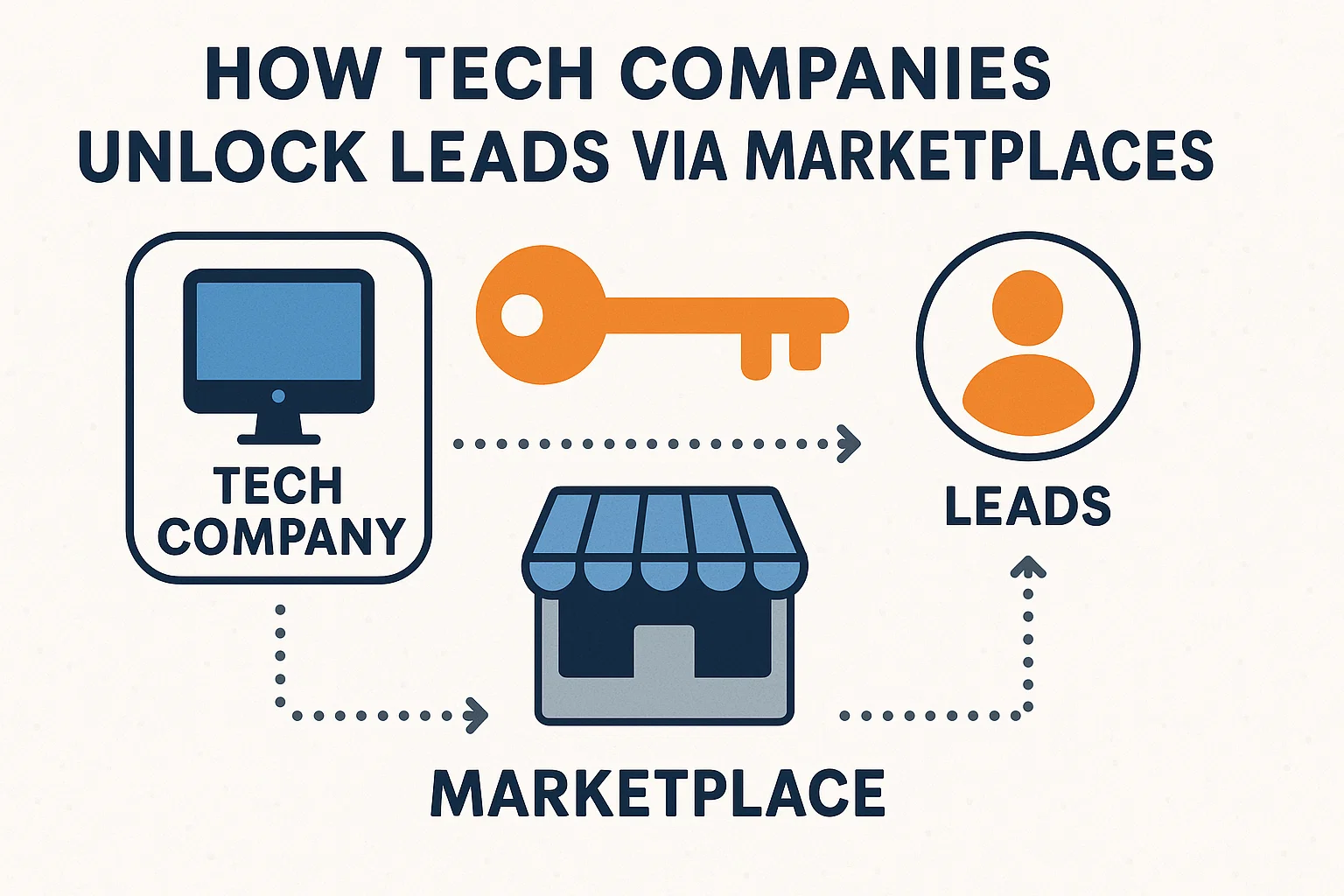
If your cloud solution is listed on AWS, Azure, or GCP Marketplace and you’re still waiting for leads, you’re not alone.
Getting listed is just step one.
To turn that listing into pipeline, revenue, and Co-Sell momentum, you need a Marketplace GTM strategy.
This article breaks down exactly what that is, why it matters, and how tech companies are using it to accelerate enterprise growth.
First, What Is Marketplace GTM?
Marketplace GTM (Go-To-Market) is the set of strategic activities that turn your cloud marketplace listing into a functioning sales and marketing channel.
It’s not just a launch checklist. It’s an ongoing playbook that aligns with how enterprise buyers evaluate, procure, and deploy solutions via cloud marketplaces.
It includes:
Visibility
Making your listing searchable and discoverable through:
- Marketplace SEO (keywords, tags, categories)
- Clear titling and metadata
- Proper mapping to use cases and industries
- Private offer availability for procurement filters
Enablement
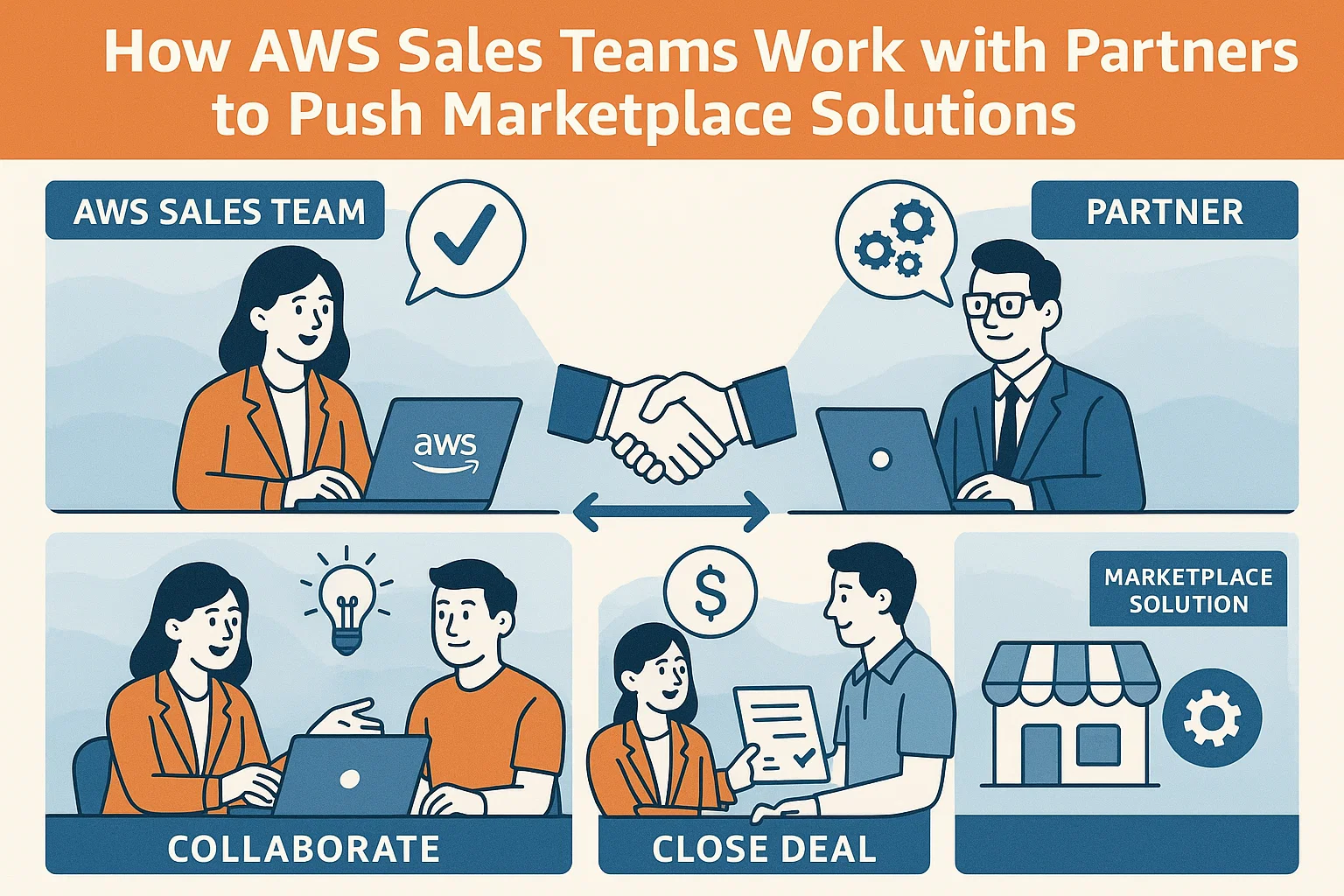
Giving AWS/Azure/GCP sellers the content and confidence to pitch your solution:
- Solution overviews and one-pagers
- Architecture diagrams
- Business outcome decks
- ROI calculators
- Industry-specific case studies
Engagement
Actively promoting your listing through:
- Co-branded webinars or AWS Spotlight campaigns
- Blog content linked from the listing
- Email nurtures aligned to Co-Sell verticals
- Internal enablement of your own field sellers
Conversion
Using Marketplace features to shorten sales cycles and reduce friction:
- CPPO (Channel Partner Private Offers)
- Custom pricing models
- Buyer onboarding docs and deployment guides
- Integration with procurement tools like AWS Marketplace CLI or Catalog API
Why Every Tech Company Needs It (Yes, Every One)
Here’s the reality: just being listed doesn’t mean you’ll be found, recommended, or purchased.
Common Outcome of a “Listing-Only” Strategy:
- Zero leads after 3-6 months
- Incomplete or outdated content
- No Co-Sell engagement from cloud partner teams
- No visibility in internal cloud seller workflows
What a Marketplace GTM Strategy Enables:
- Discovery via search and seller referrals
- Co-Sell support through Partner Managers and Account Execs
- Faster procurement with pre-approved terms
- Increased trust with security-conscious buyers
In other words, GTM is what makes your listing work.
Think of Marketplace GTM Like Opening a Store in a High-Traffic Mall
You’ve secured the space (your listing).
But now you need:
- Signage → Marketplace SEO and discoverability
- Salespeople → Cloud reps who can pitch your solution
- Promotions → Campaigns that drive clicks and conversions
- Checkout Process → Procurement workflows that reduce friction
Without those? You’re just another vendor with a dusty storefront.
Marketplace GTM Is Not a One-Time Setup
It’s an ongoing process that evolves as you:
- Launch new features or SKUs
- Expand into new regions or verticals
- Pursue new AWS Competencies
- Enter joint GTM programs
Which means your GTM content, messaging, and seller enablement needs to scale with you.
Final Takeaway
Marketplace GTM is the difference between being present and being profitable on cloud marketplaces.
If you’re listed but not generating leads, closing deals, or getting Co-Sell support – it’s time to treat your listing like the strategic channel it is.
Need Help Activating Marketplace GTM?
At The Scribe, we help SaaS, AI, and cloud-first companies build and execute high-converting Marketplace GTM strategies, from FTR docs to full Co-Sell enablement kits.
Request a free sample pack + GTM plan today